Primaluna Tower
Primaluna
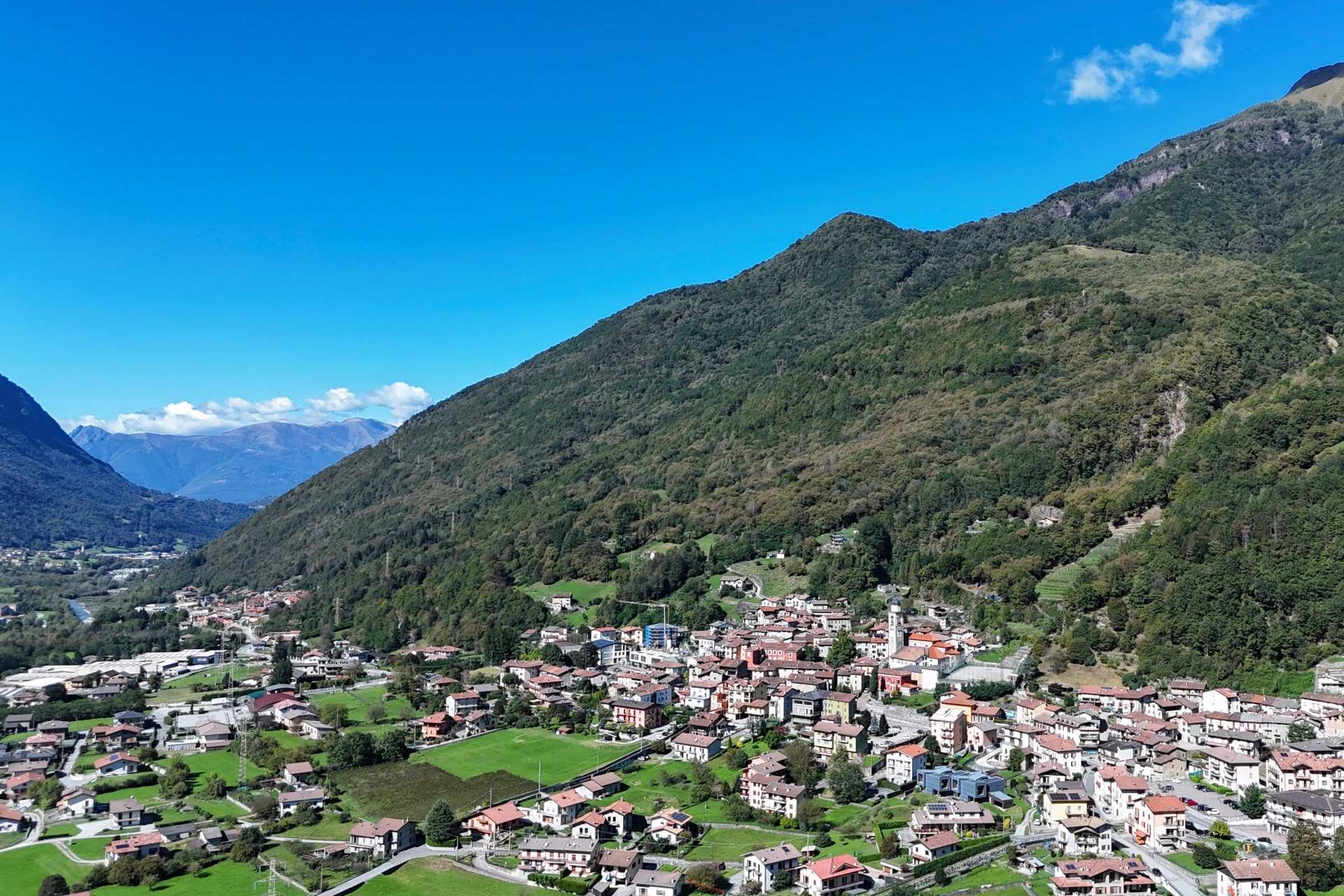
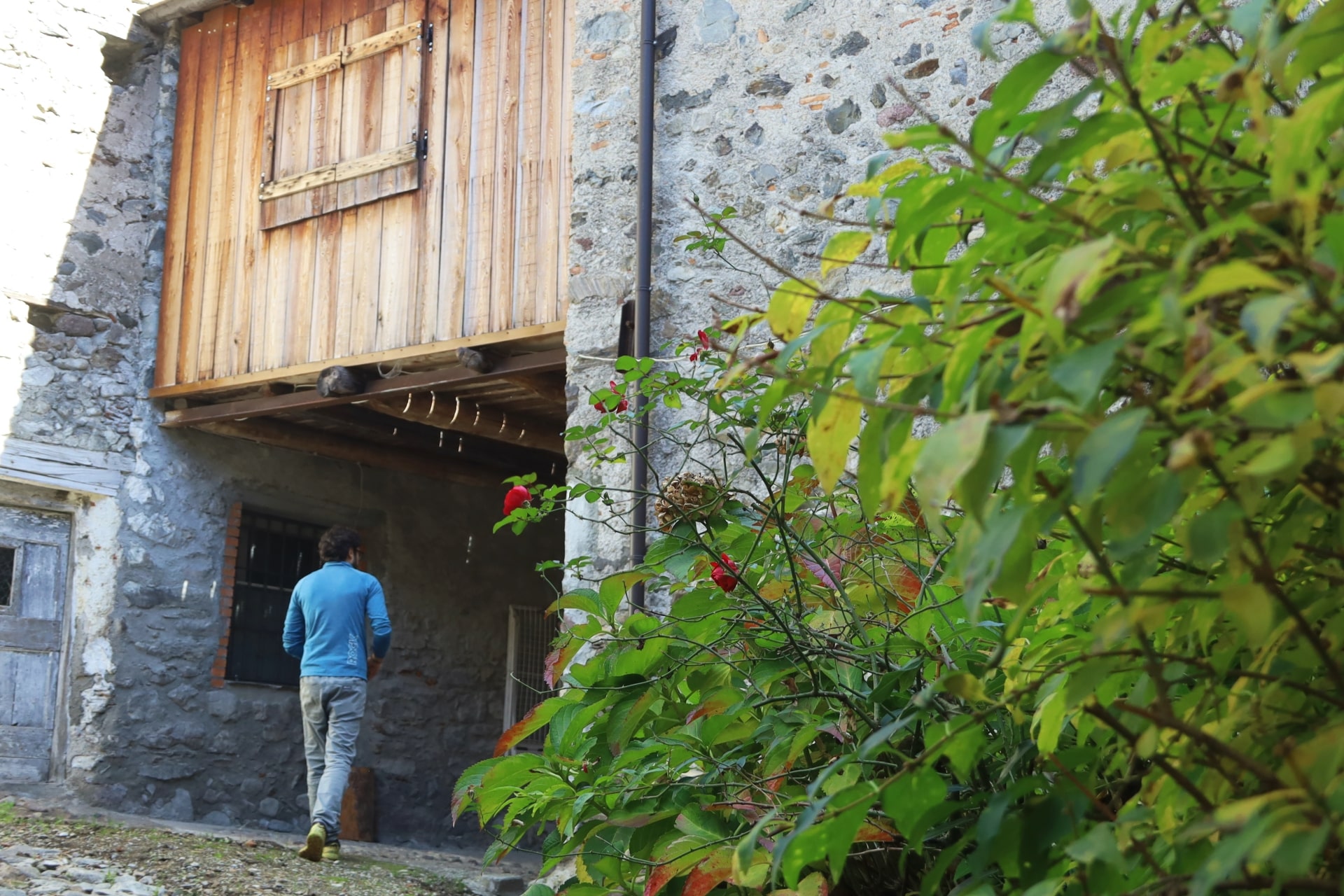
The itinerary takes place within a characteristic Valsassina village, a walk through history takes us back in time crossing the center, which preserves an ancient medieval village with old portals, frescoed churches, coats of arms of noble families and the remains of an imposing tower.
To discover the secrets, anecdotes and capture the essence of the territory, come on an excursion with the Environmental Hiking Guides of Natlink, we will take you to explore the typical corners of Valsassina!
THE PATH OF THE ANCIENT TOWER
In the Middle Ages in Primaluna lived an important family, that of the Torriani, counts of Valsassina to whom the coat of arms of the town is due: a large silver tower decorated with two golden rods, erected on a green hill and surmounted by a crescent moon with blue background. Some testimonies tell that the tower already existed in Roman or Etruscan times and was then restored when the village of Primaluna was fortified. The tower was part of the castle of Pieve, the oldest in the valley, standing together with three other internal towers that together with seven gates and the city walls formed a fortification.
The route begins by crossing the iron bridge to continue on the cycle path to our right, then
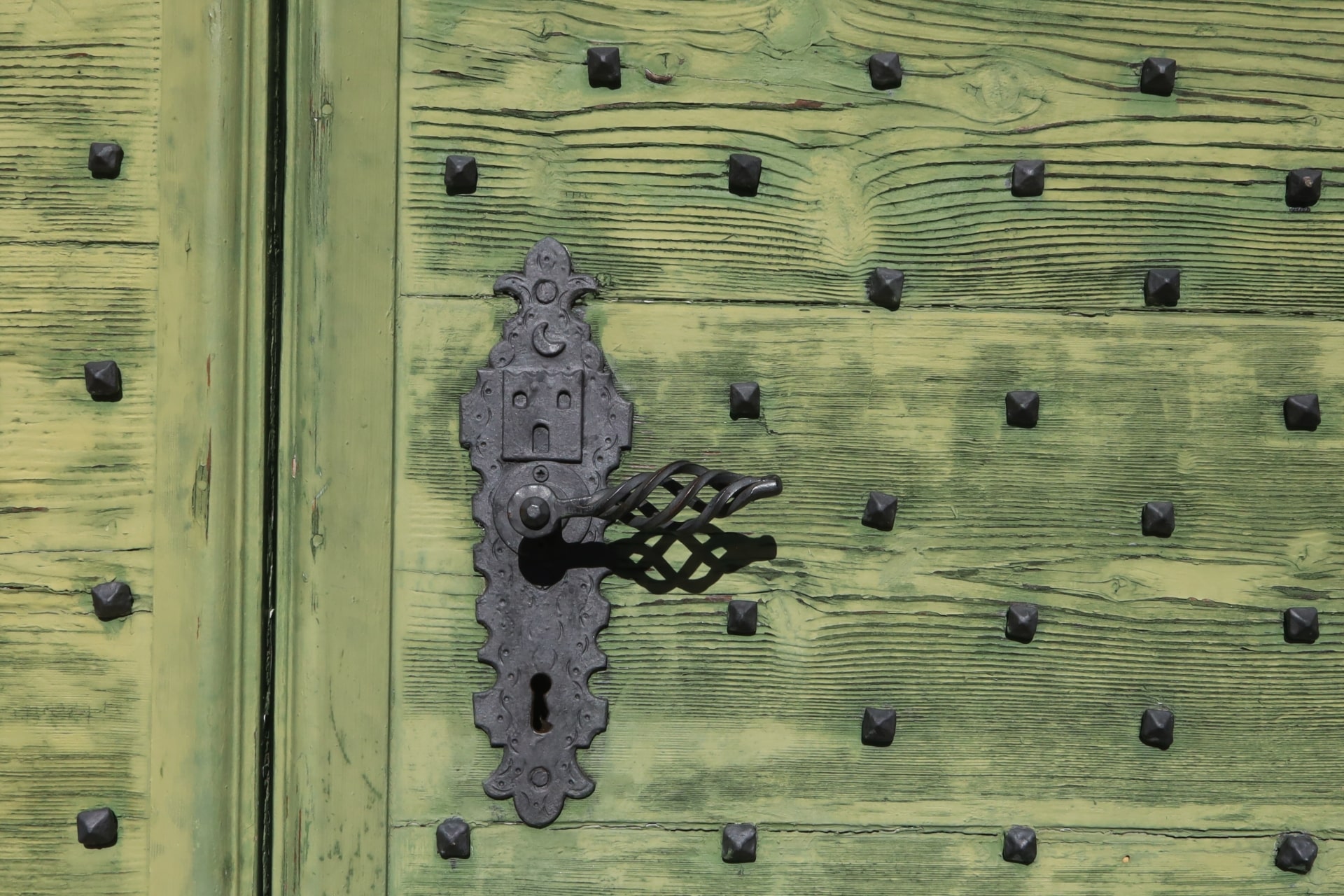
we must climb via Carrale and via Torriani, which takes us to the historic center of the village, where on walls, portals and
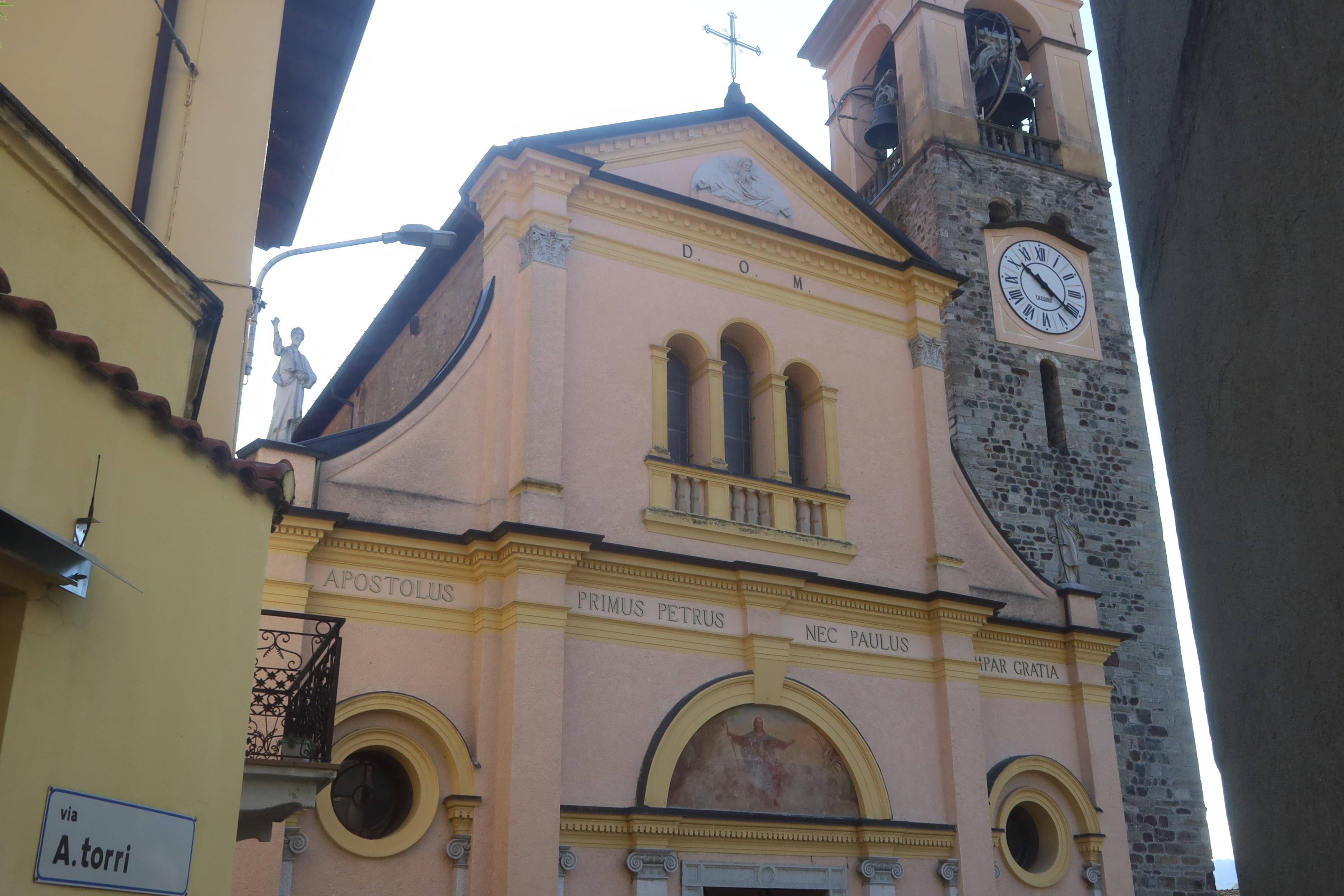
locks you can observe numerous representations of the tower. In the Church of SS. Pietro and Paolo,
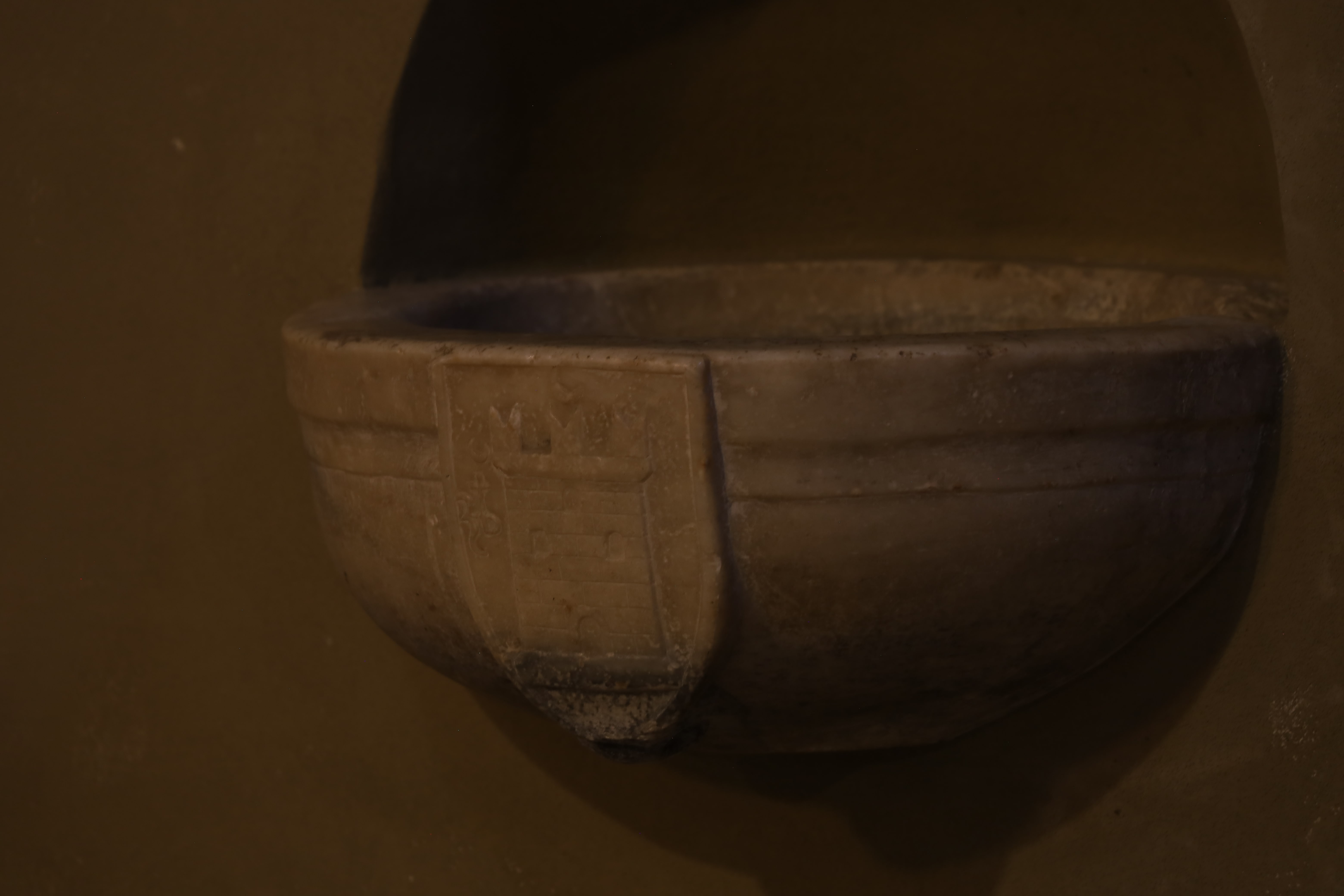
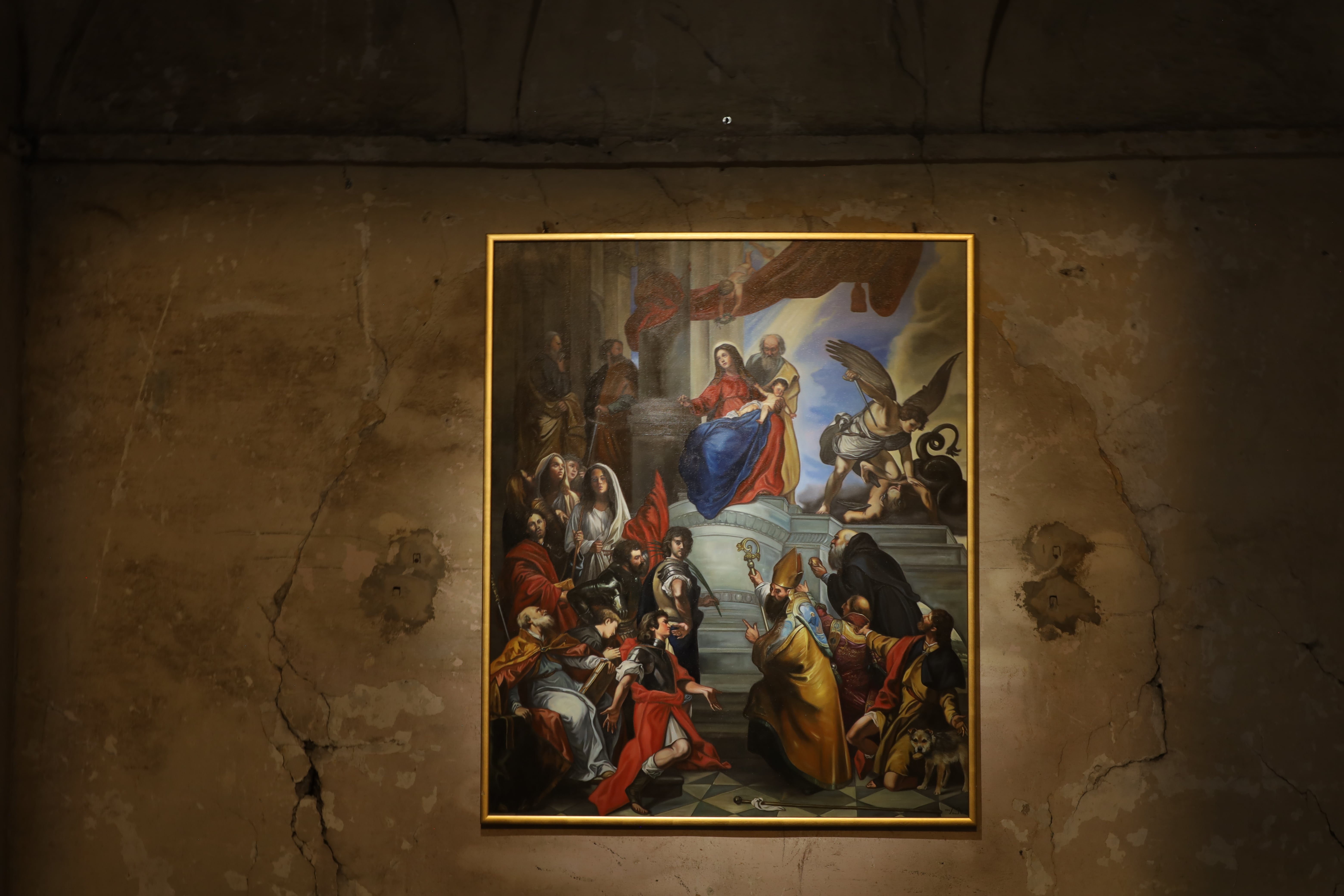
paintings and stained glass windows hide the profile of the tower, also engraved on an old marble holy water font,
testifying to the presence of the Torriani family until the end of 1900. Following a path through the
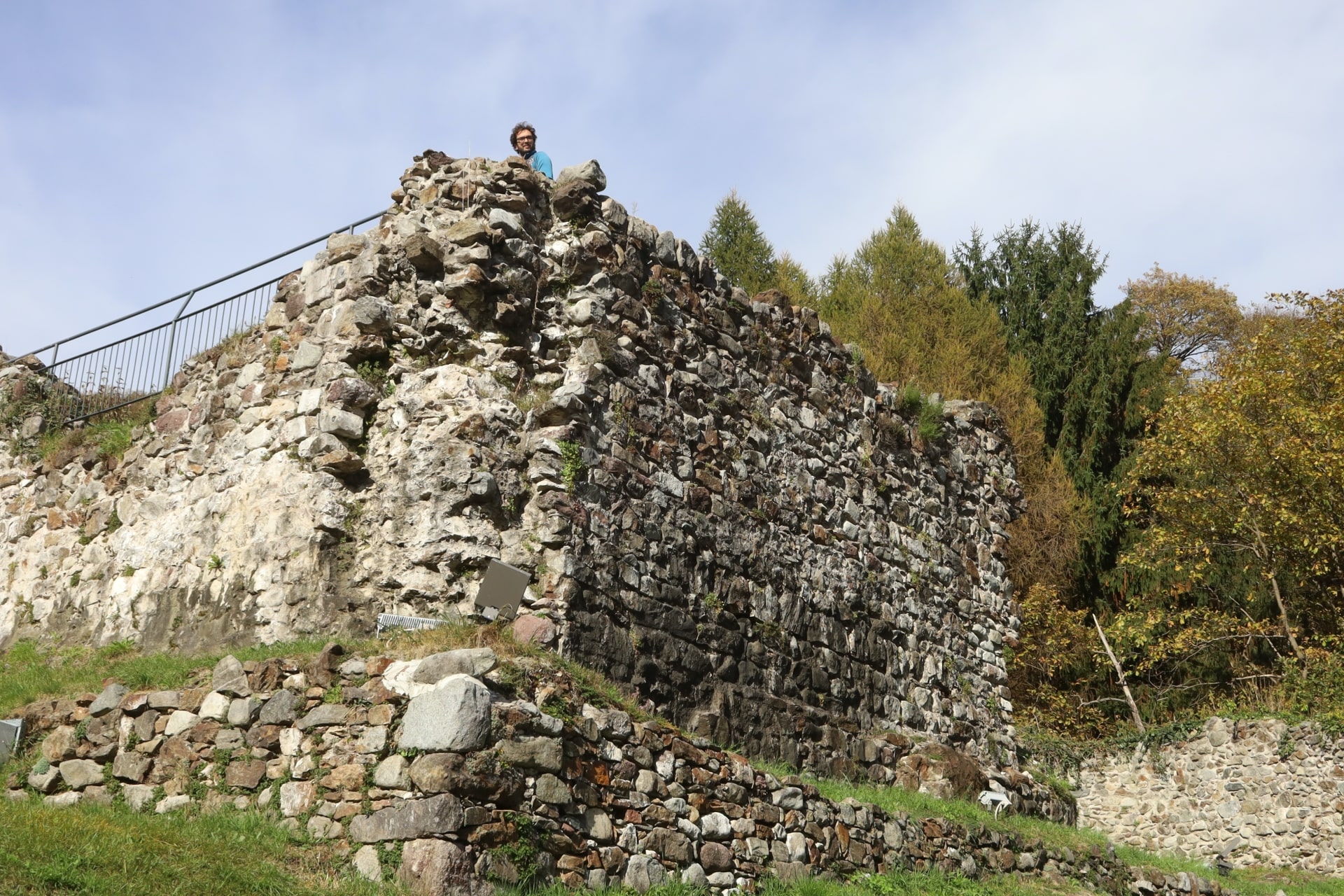
narrow and evocative streets of the village (Via Antonio Torri), you reach the remains of the ancient keep, where
the central structure and the first circle of walls with an arrow slit looking towards the valley are visible. On the ground floor of the
military tower was stationed the guard corps, with food supplies for soldiers who in case of invasion
protected themselves inside it. The top floor was accessed through a trapdoor and served as a
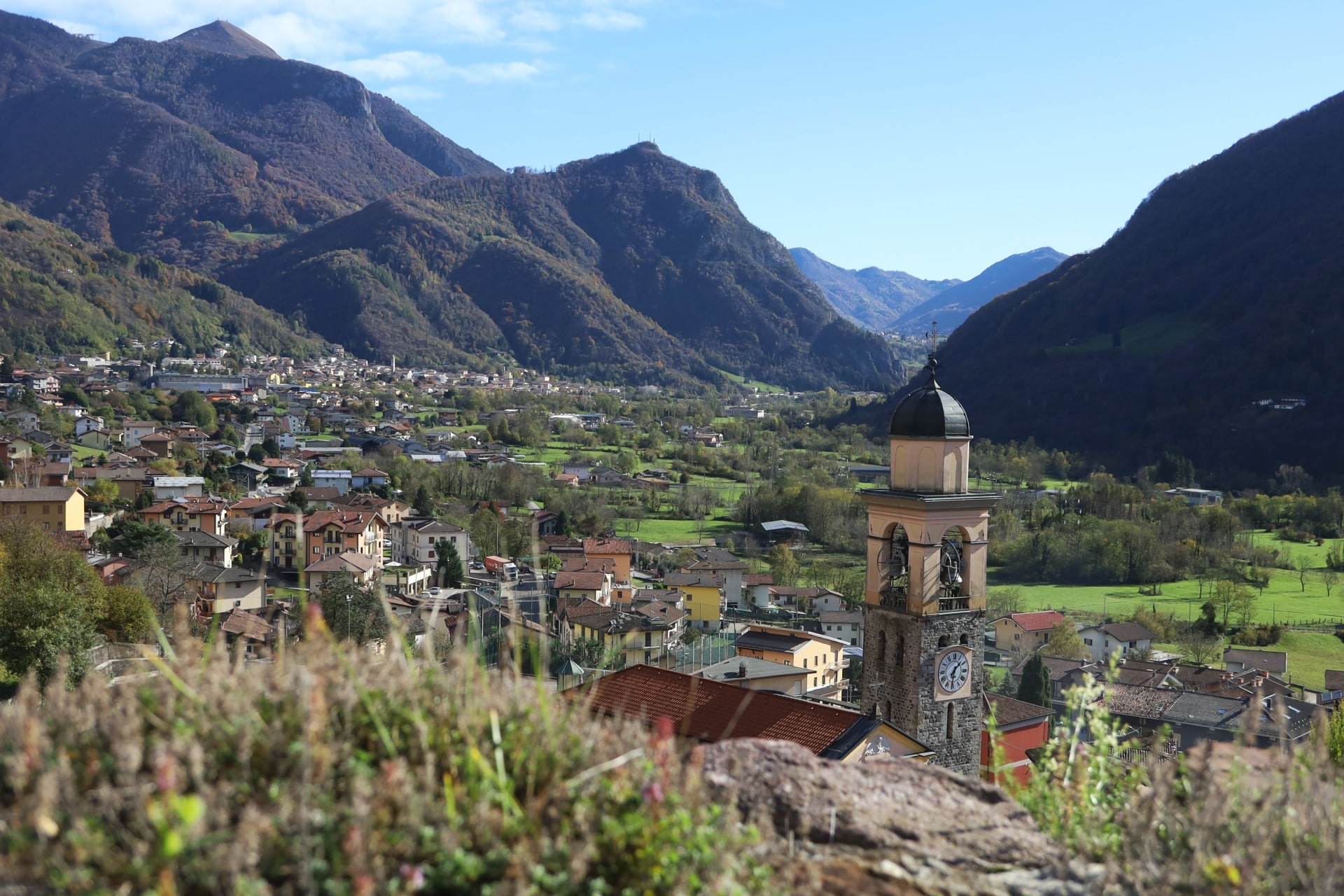
lookout point or to send visual messages. Admiring the panorama you can imagine the village surrounded by
walls with three internal towers to control the territory: one is identifiable in the current bell tower, the
second can be placed in Piazza Cadorna and the third probably in via Torriani, where you can see the lateral
corners.
Nel corso dei secoli la pietra è stata usata come fonte per ricavarne materiale da costruzione, per esempio per
riparare il campanile della chiesa parrocchiale dei Santi Pietro e Paolo.
Today you can visit the remains of this imposing structure, signs of a past still to be revealed. According to
some legends there could be hidden underground tunnels that connect the tower to the village, useful as
escape routes in case of danger, but still, they have not been discovered.
The return to the cycle path through via San Rocco, allows you to close the loop route passing by the
medieval bridge adjacent to the sixteenth-century Church of S.Rocco.
Gallery