Cliffs and Geology
Introbio
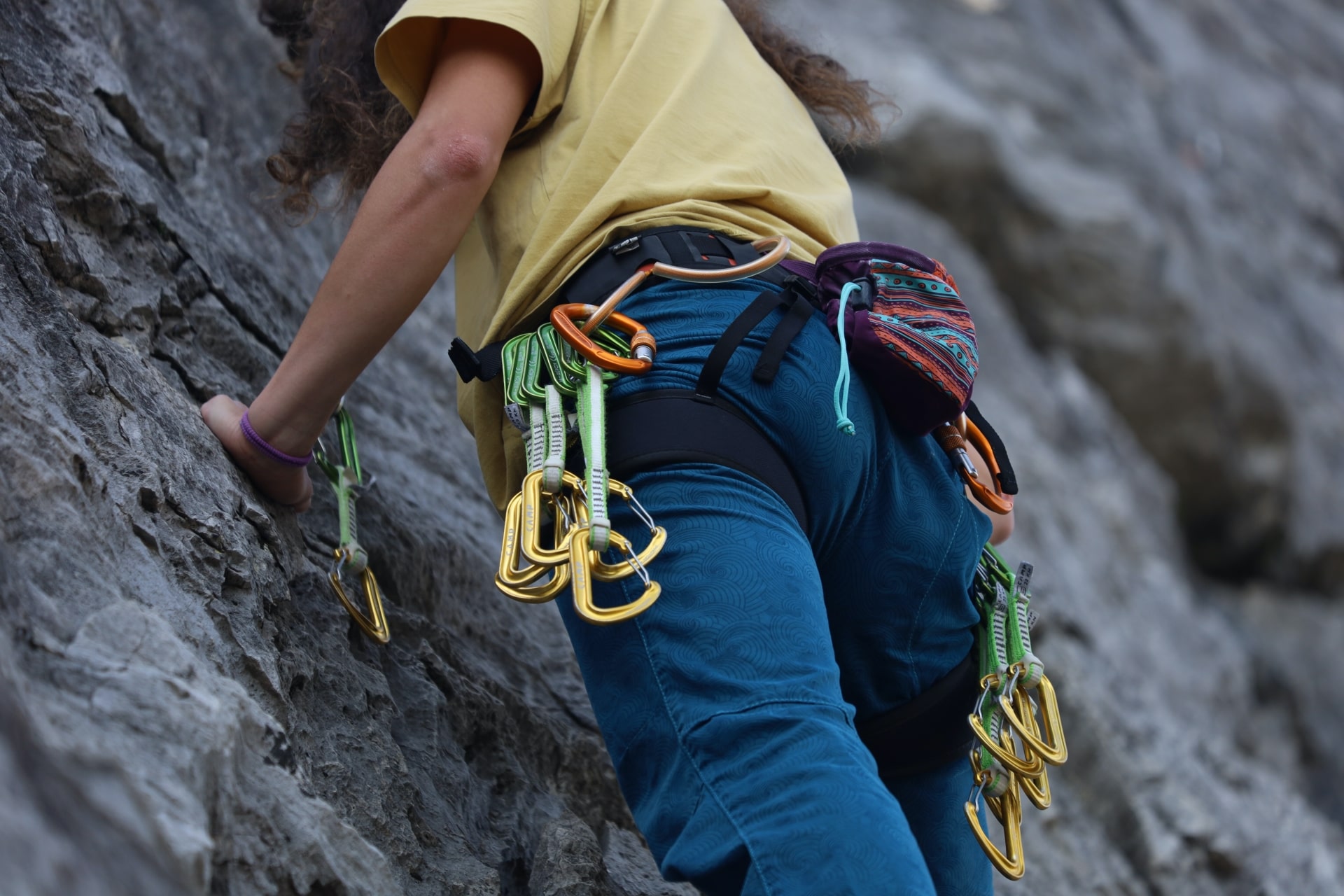
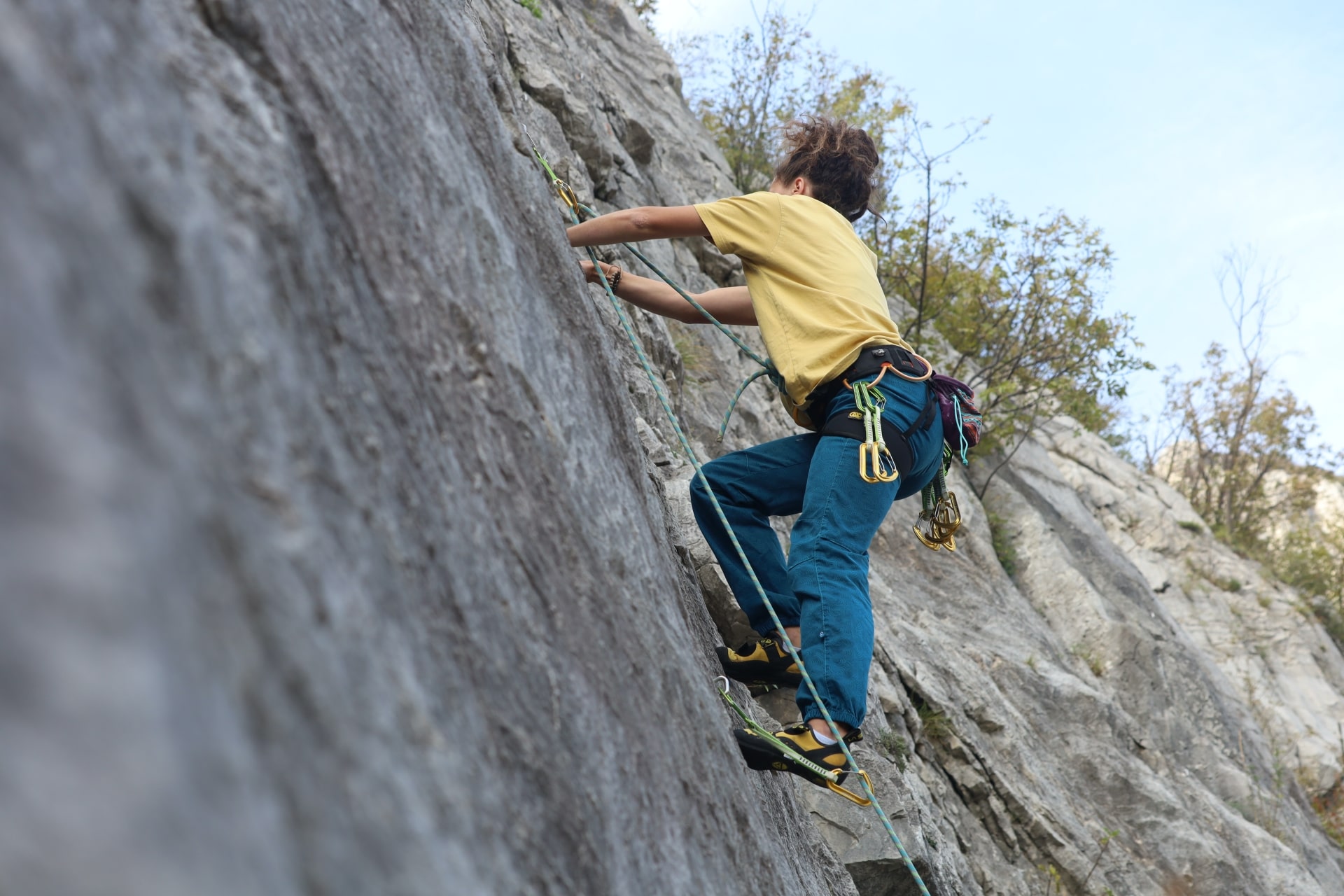
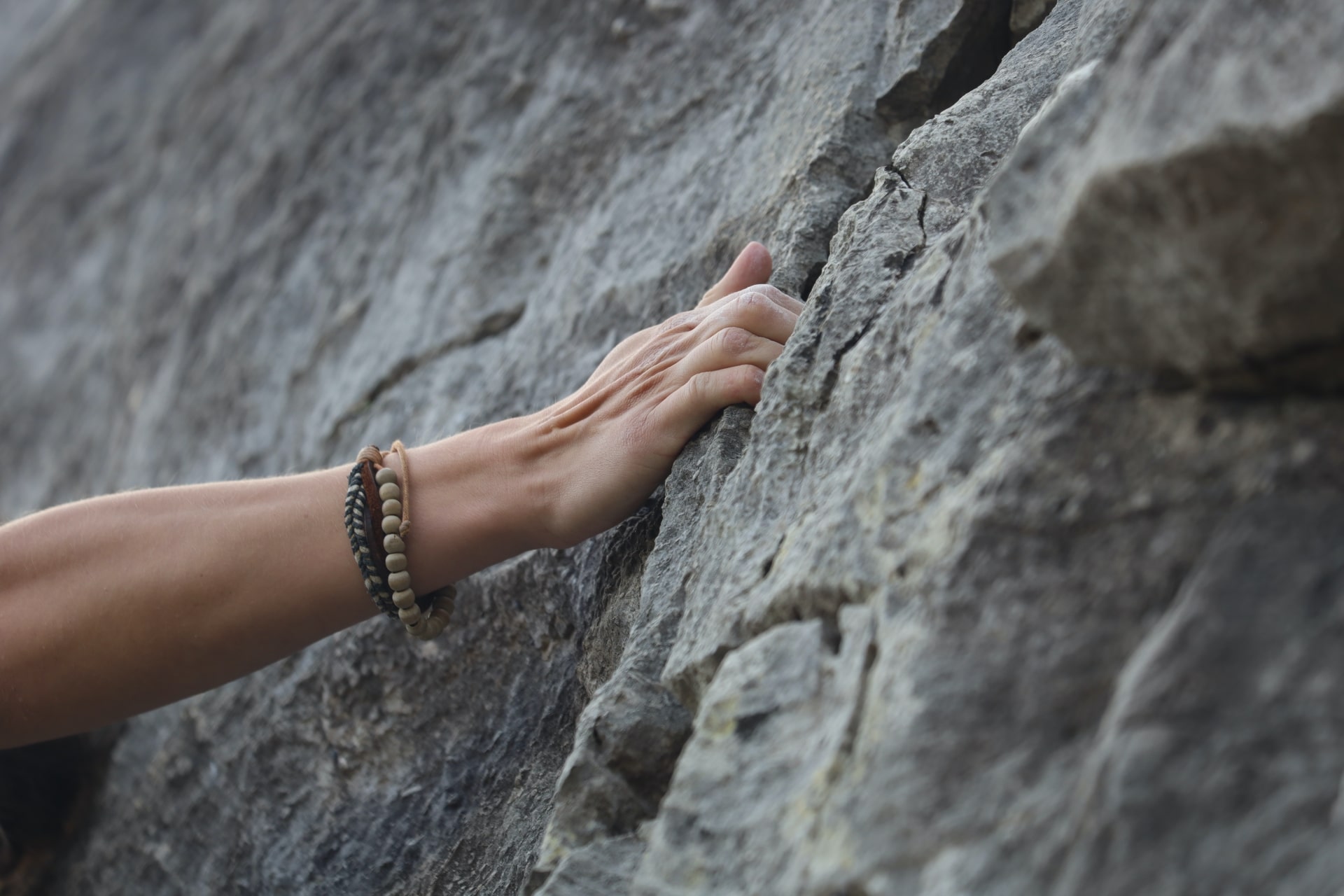
At the cliffs of Introbio, you will have the opportunity to combine sport and culture, experiencing climbing, its history and discovering the past hidden behind the equipped walls of the Valsassina territory. Millions of years ago, in fact, these same walls were sea floors inhabited by prehistoric creatures, whose remains, thanks to particular geological conditions, have been preserved in the form of fossils.
To discover the secrets, anecdotes and capture the essence of the territory, come on an excursion with the Environmental Hiking Guides of Natlink, we will take you to explore the typical corners of Valsassina!
CLIFFS AND GEOLOGY OF VALSASSINA
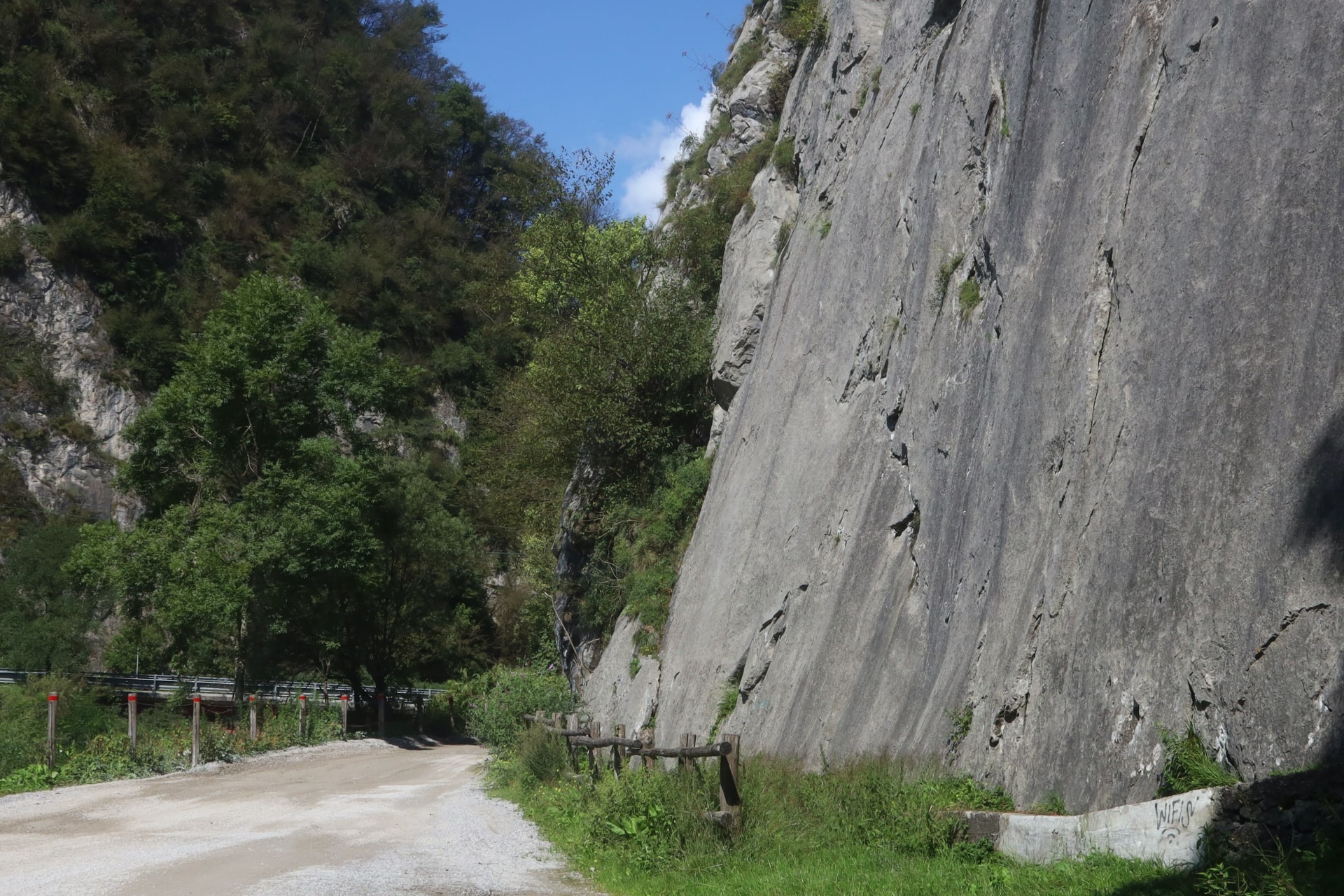
From the cycle path, cross the bridge over the Pioverna and turn right on a dirt road. In a couple of minutes you reach the cliff of Introbio.
The walls of the Lombard pre-Alps and in particular of the Lecco mountains are the milestones of the evolution
of mountaineering. The mountaineers of the 1900s saw in these territories their natural gymnasium.
The first visitors to the vertical walls that surround us date back to the 1960s, when a group of
mountaineers including Casimiro Ferrari, Vittorio Meles and Pierlorenzo Acquistapace came here to challenge themselves. A few years
later, in 1974, Don Agostino Butturini taught the basics of climbing to a group of boys from the oratory
as a form of approach to the territory and education. Thus were born the "Condors" of Lecco, who explored the
vertical dimension of these walls, where, together with the nearby Rocca di Baiedo, Zucco dell'Angelone and the
Masone cliff, they equipped the first mountaineering routes. The technical and cultural revolution that was
maturing in those years would soon lead to the birth of free climbing also in Valsassina.
Other great climbers tested themselves on these vertical walls: Ivan Guerini free climbed the classic routes
of the Condors and Marco Ballerini opened new routes with increasingly intense difficulties, dictated by technical
concentration and balance.
With the progressive increase of enthusiasts, the valley floor walls, commonly called "cliffs", become the
playground for a new discipline: sport climbing. While until then the routes were opened
starting from the base of the wall to its end facing the connected risks, in sport climbing the
wall is equipped from above and subsequently the climber advances on the rock safely without hanging
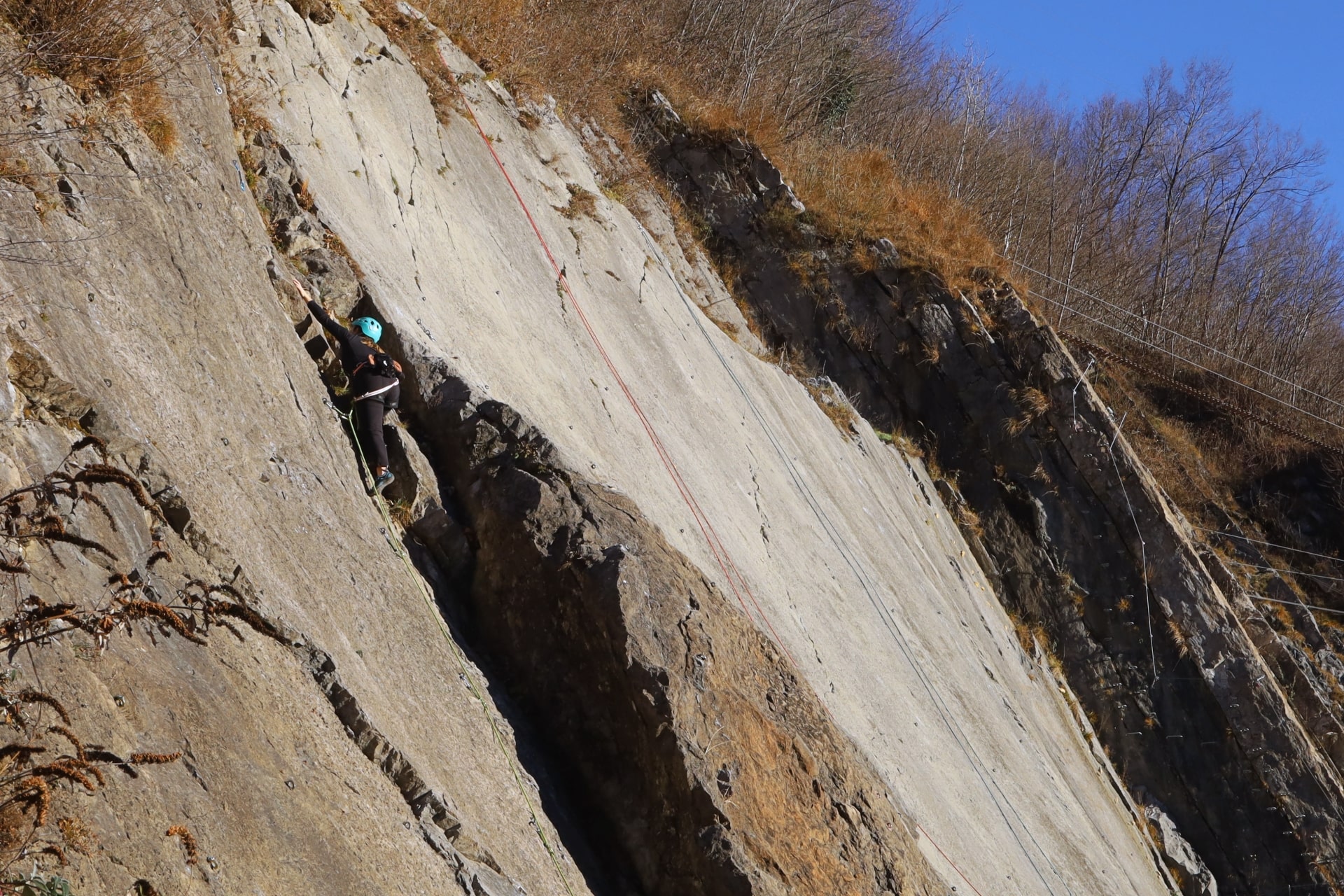
on the anchors to progress or rest. Today this area brings together various cliffs of various lengths and degrees of
difficulty, from the easiest 2a to the extreme 8c, making it accessible to beginners and experts.
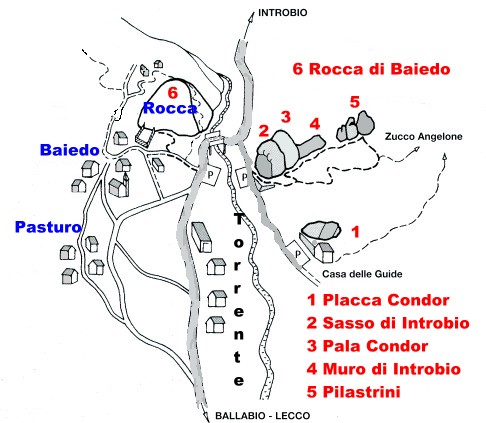
The cliff is divided into various sectors:
- Condor Slab
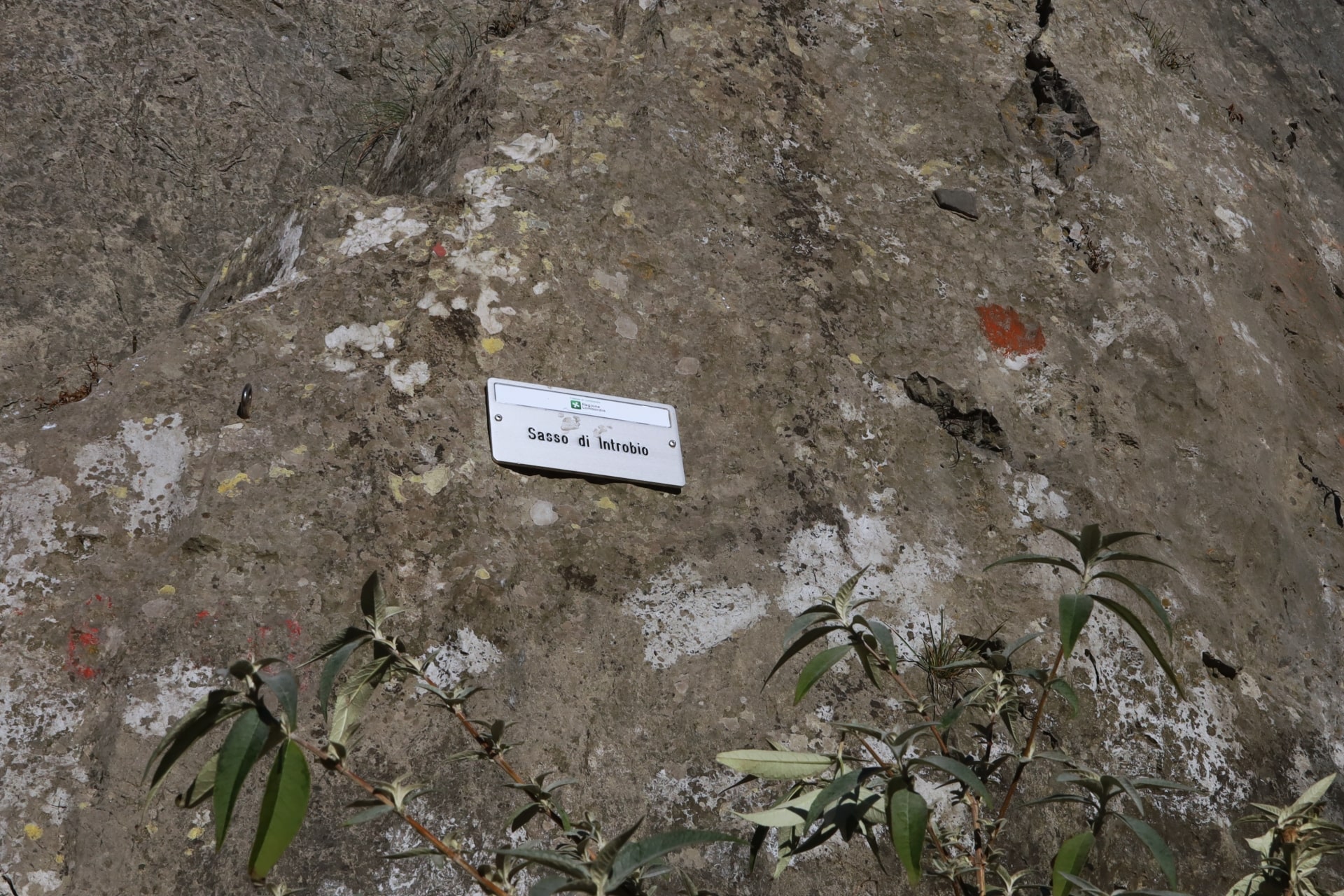
- Introbio Rock
- Condor Wall
- Introbio Wall
- Small Pillars
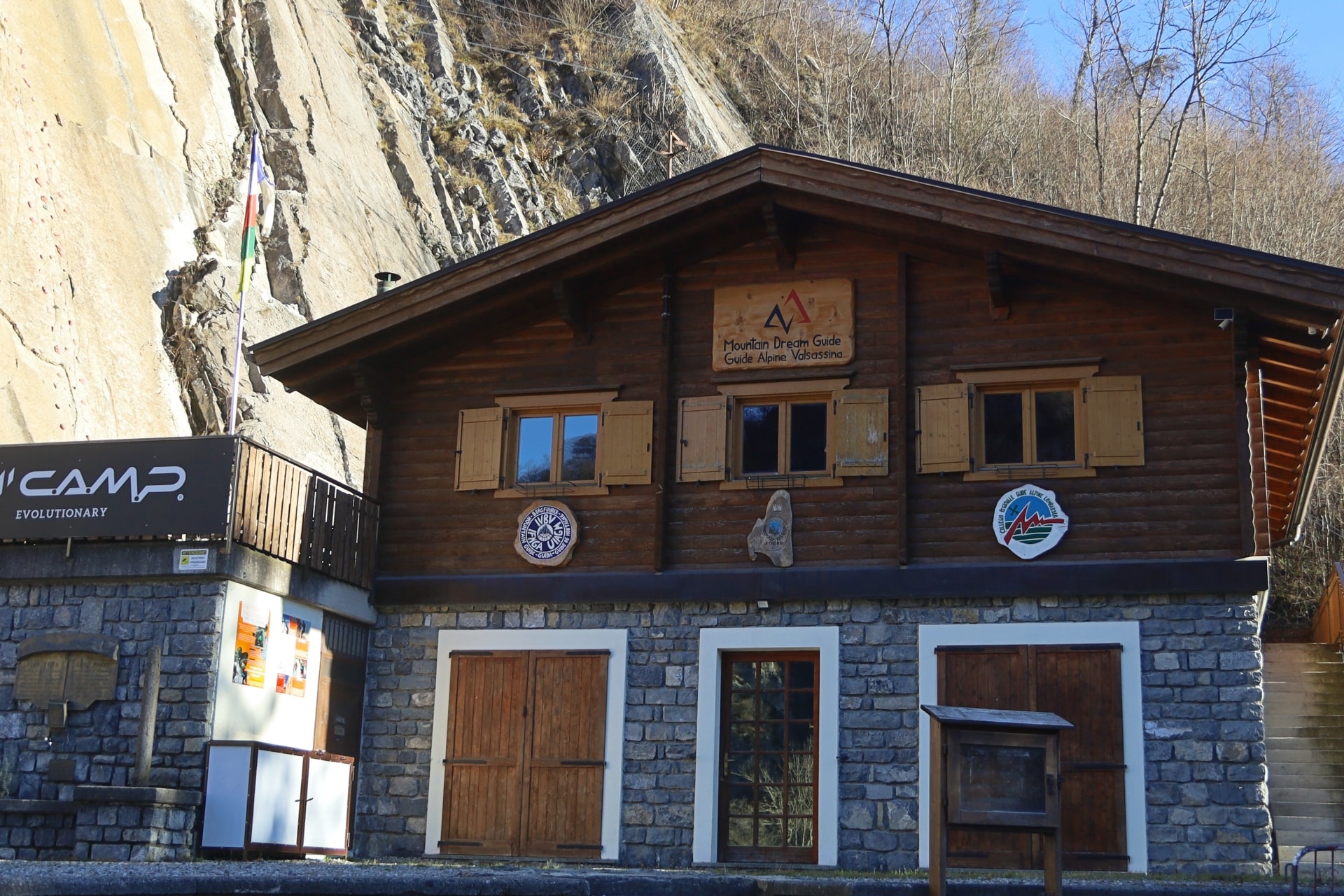
On site there is the House of Guides, whose Alpine Guides organize climbing and via ferrata courses for beginners or technique improvement for more experienced climbers.
Located between the Grigne, Valsassina and the towns of the province of Lecco, there are at least 1,850 routes to
discover, distributed over about 70 cliffs of the territory, in a valuable environmental and landscape context,
nestled between lake and mountains.
Thanks to the presence of the lake, which releases during the cold season the heat accumulated in summer, the climate is
mild and allows climbing in all seasons of the year, choosing the walls with the most suitable exposure
for the season.
Ma la perla nascosta di queste falesie è la loro storia geologica e proprio a Introbio ne troviamo le evidenze.
La roccia più antica affiora tra Introbio e Prato San Pietro e risale a 290 milioni di anni fa, quando la Valsassina
era occupata da una vasta pianura attraversata da fiumi che con il passare del tempo hanno deposto ghiaie e sabbie
con una caratteristica colorazione rossastra. Compattandosi hanno dato vita al Verrucano Lombardo, roccia osservabile
alla base del Grignone presso la Rocca di Baiedo in corrispondenza dello sperone di roccia nominato “Sassi Rossi”.
È però 245 milioni di anni fa che il paesaggio è cambiato radicalmente e il mare ha sommerso questi territori. I
carbonati si sono depositati sul fondale, costituendo nel tempo la roccia sedimentaria su cui l’arte
dell’arrampicata ha avuto inizio. Si tratta del calcare, nei cui strati giacciono i resti di antichi animali
estinti, come i fossili di ammoniti, stelle marine e pesci. In particolare, è stata recentemente scoperta in una
parete ad Introbio la mandibola di un rettile, il Pitosauro, predatore di quattro metri vissuto dopo il Lariosauro
(anch’esso ritrovato nella roccia calcarea ma a Perledo, paese affacciato sul lago).
A chi si deve la possibilità di trovare un fossile marino durante le nostre escursioni? All’orogenesi, ovvero la formazione delle montagne, grazie al quale è stato portato alla luce ciò che prima giaceva nascosto sul fondale marino.
Gallery