Antonia Pozzi
Pasturo
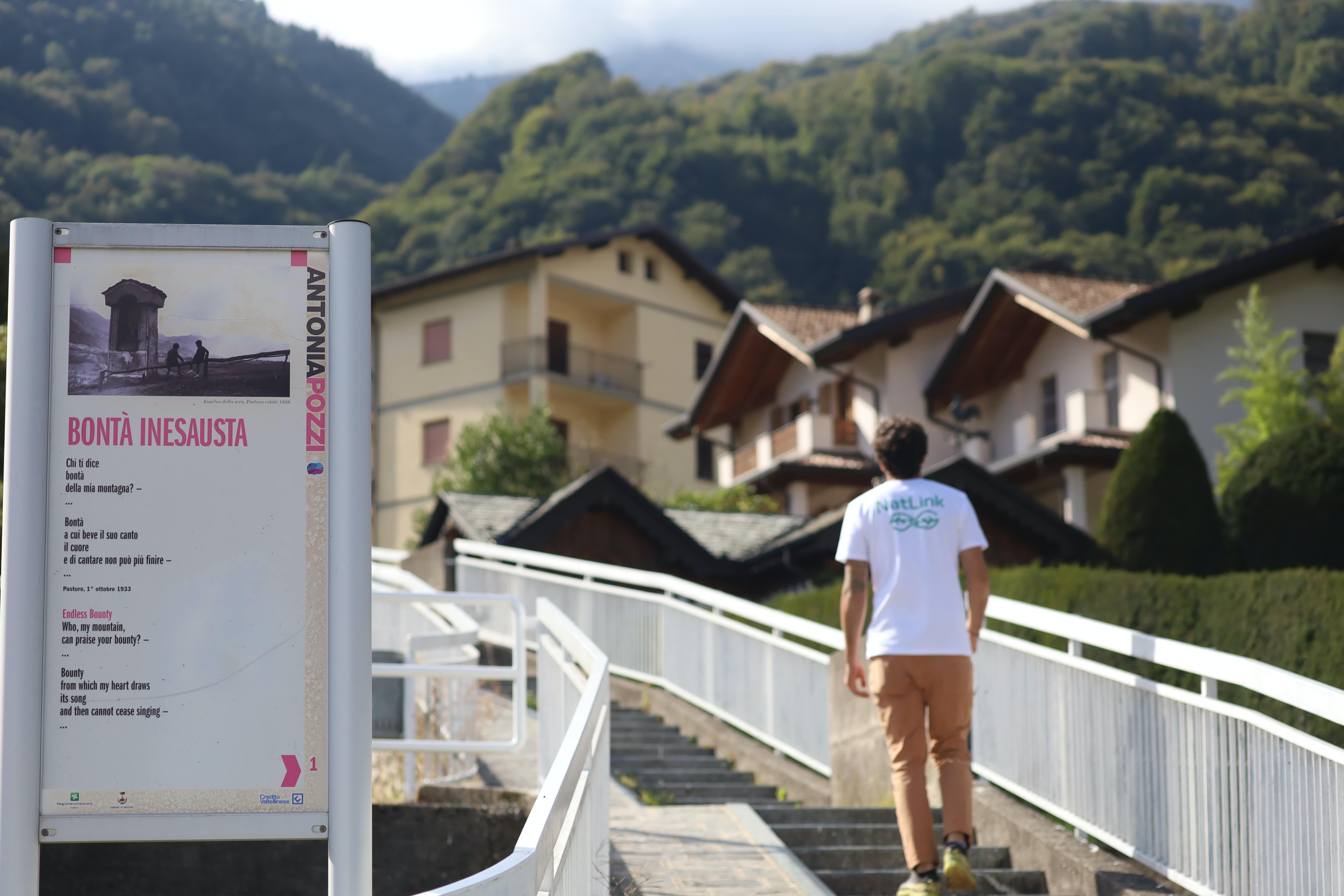
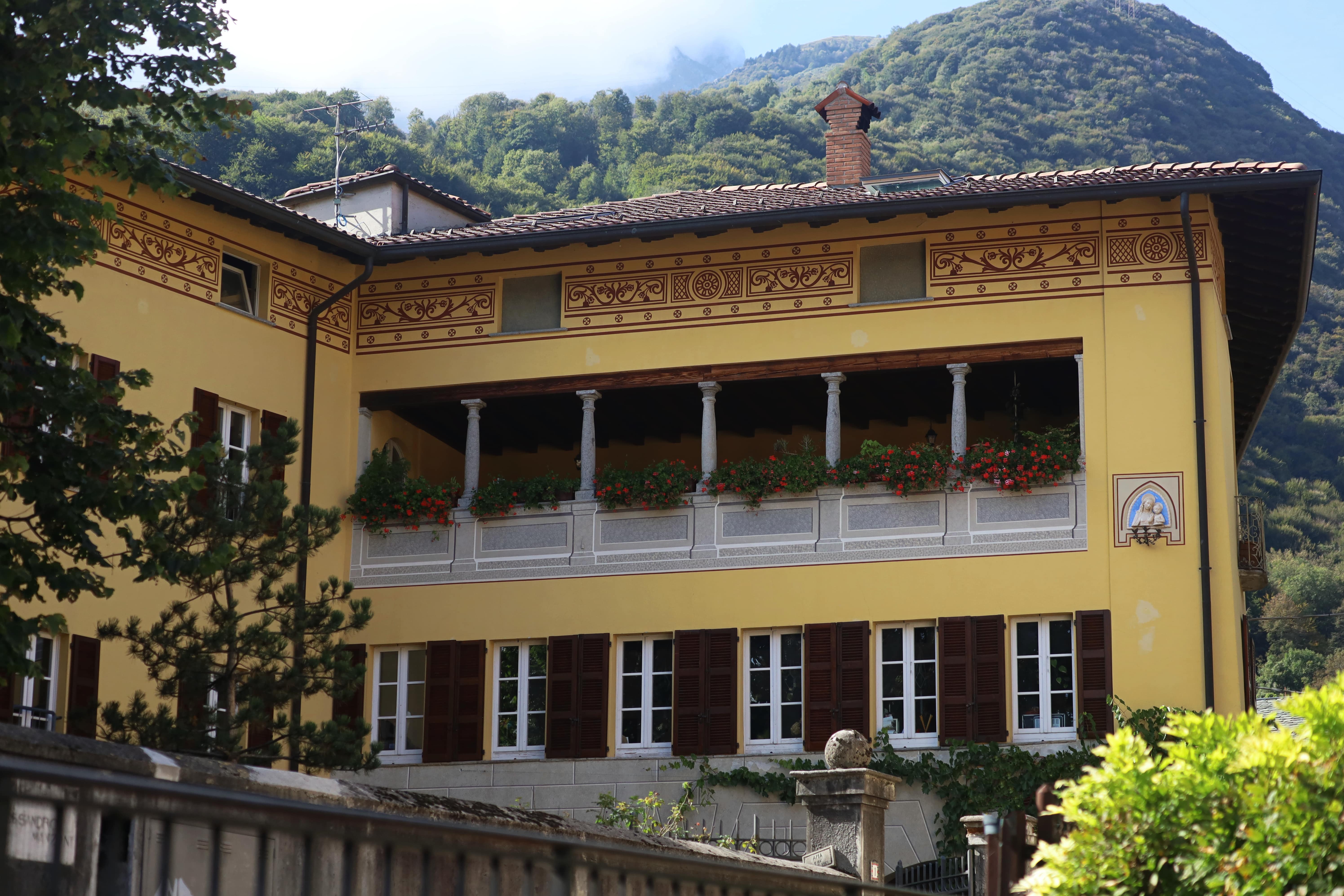
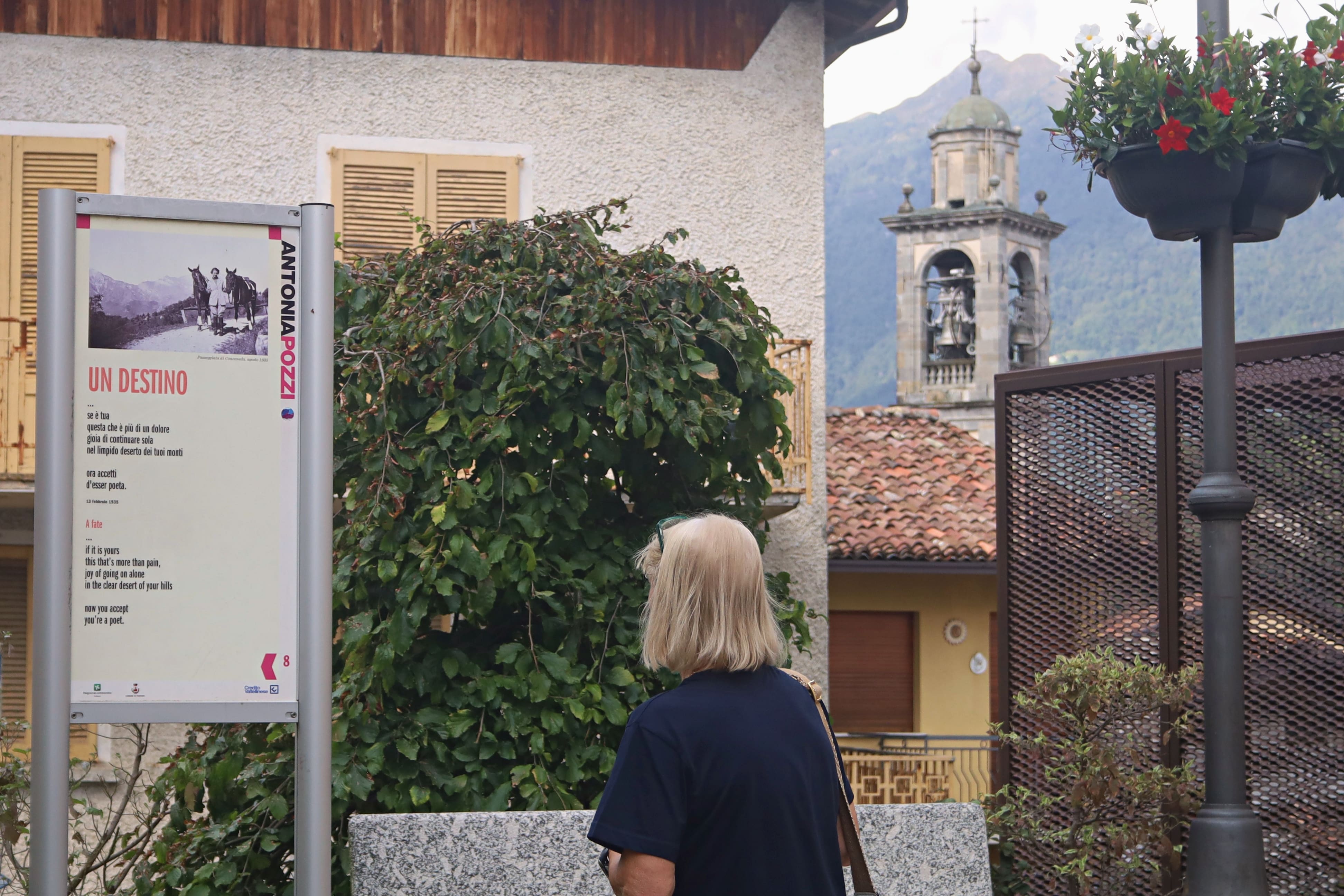
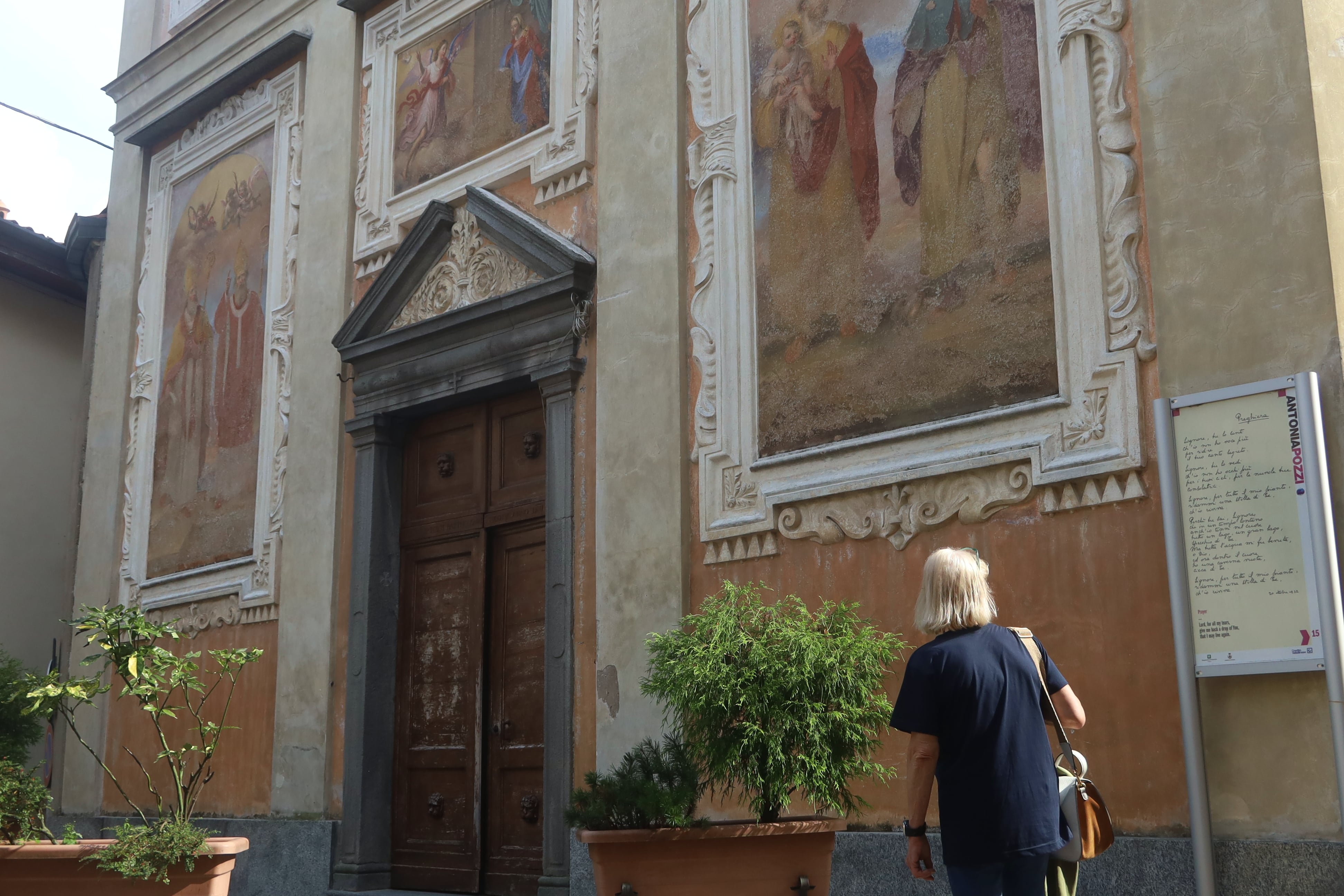
Antonia Pozzi (1912-1938) was one of the most important poetic voices of 20th century Italy. Born in Milan, she adopted Pasturo as her favorite place of peace and inspiration. A guest at the family house, now Casa Pozzi, she composed many of her works here. The municipality of Pasturo has dedicated a thematic route to her that winds through the streets of the village, equipped with 20 illustrated panels with excerpts from her poems, letters, and photographs.
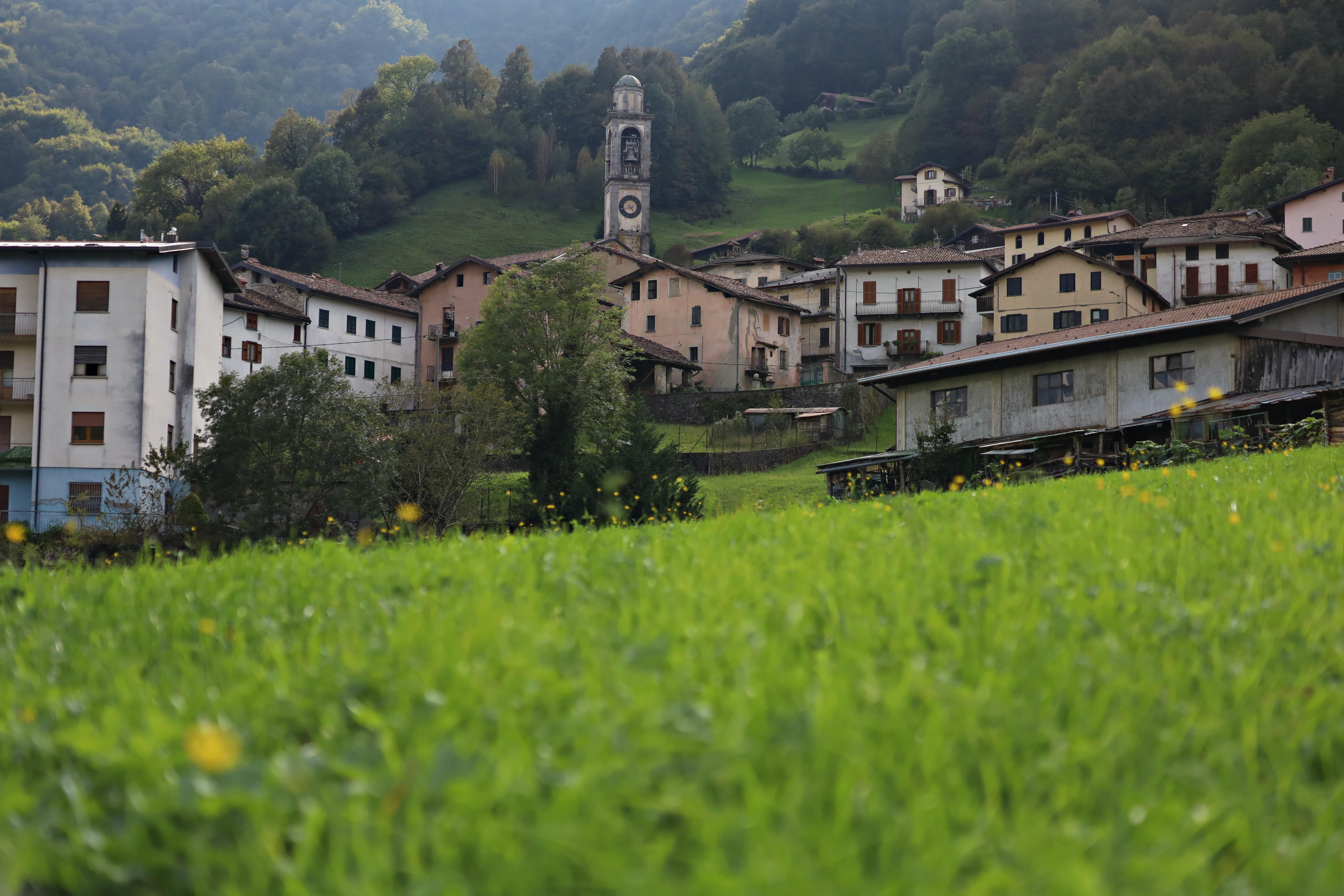
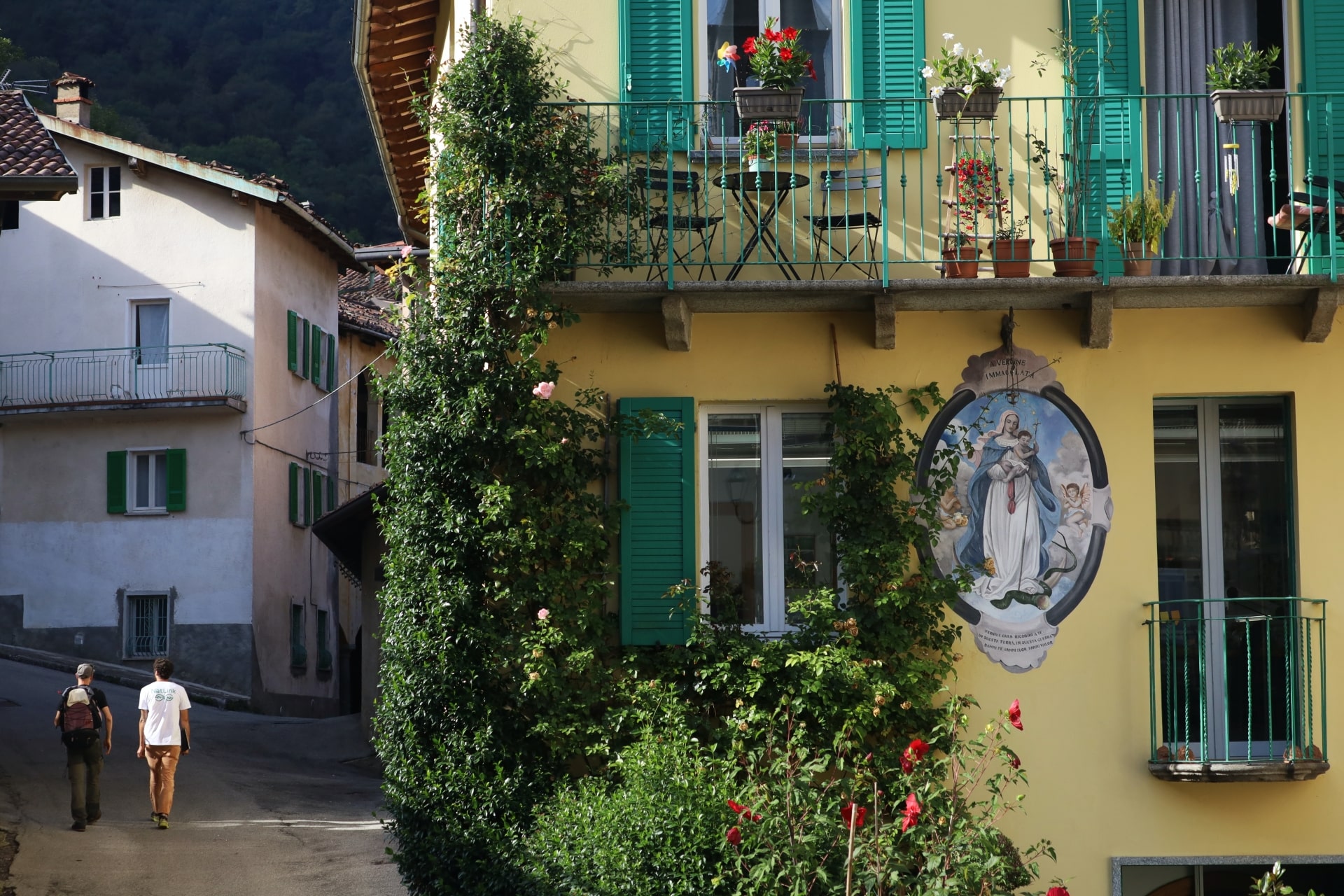
To discover the secrets, anecdotes and capture the essence of the territory, come on an excursion with the Environmental Hiking Guides of Natlink, we will take you to explore the typical corners of Valsassina!
THE POETIC PATH OF A TERRITORY
The poetic path dedicated to Antonia Pozzi in Pasturo was inaugurated in 2012 by wish of the
municipal administration led by then-mayor Guido Agostoni.
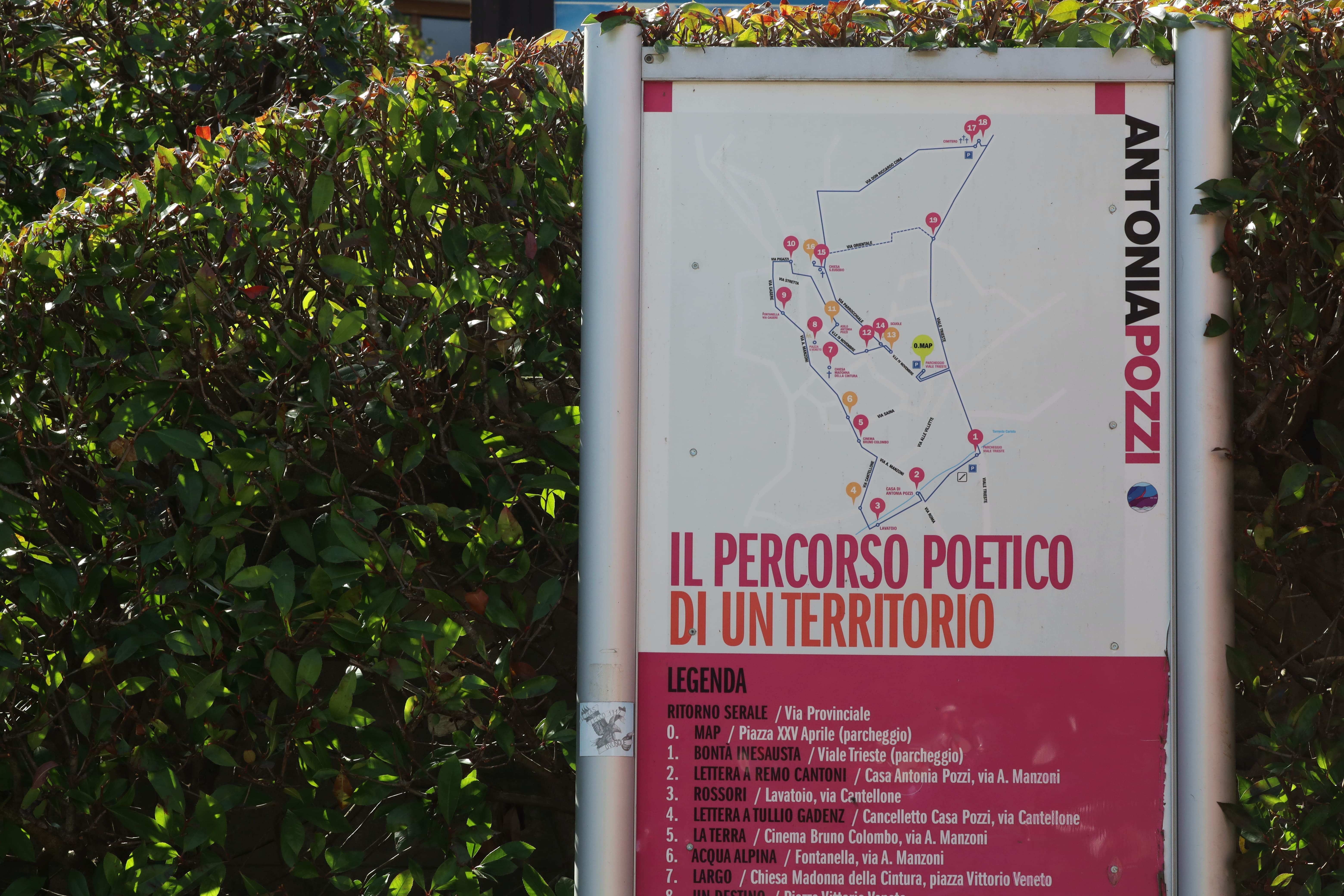
It starts in Piazza XXV Aprile: the "guide" panel with the route map is placed at the base of the stairway that
leads up to the square from the public parking below. From there you start along via Trieste and then, climbing the
pedestrian road along the Cariola stream, you begin to encounter the stops of the route that slowly reveals
Antonia's artistic personality and her relationship with the territory. Soon you find the family house so dear
to the poetess and the garden behind it, at the end of which an iron gate opens directly onto the path
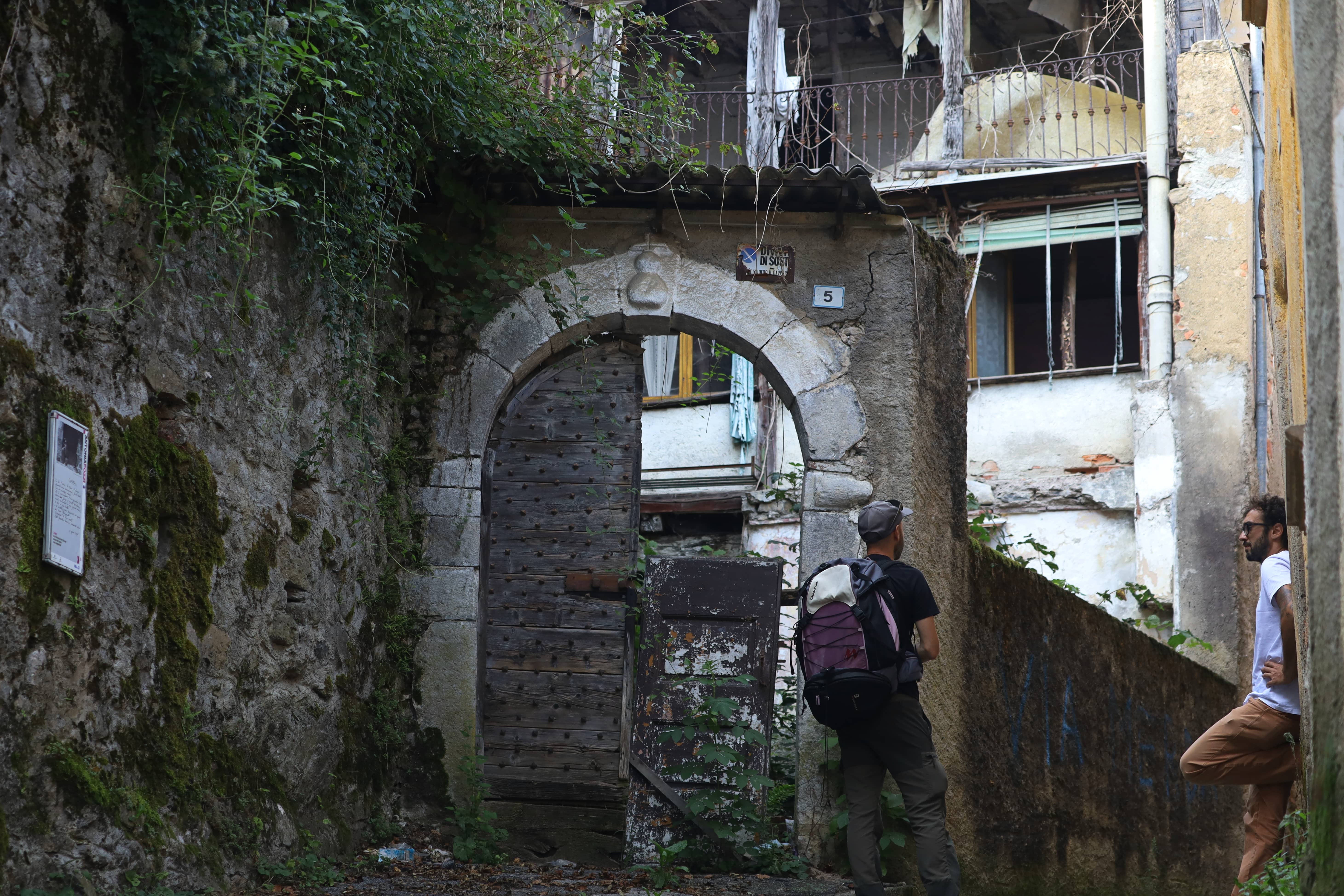
that climbs towards the Grigna. The stopping points are placed in significant locations and paired with poems, photographs and
epistolary writings connected, inspired by, or simply in harmony with them. Between one stop and another there are
one or two minutes of walking, but the distances also vary greatly between the various stages. You pass under the portico
of the Church of Madonna della Cintura, through the town hall, the kindergarten - dedicated precisely to Antonia and
financed with a donation from the family after the poetess's death. Towards the end, you are led into the
cemetery, where Antonia asked to be buried, under a rock from the Grigna. The conclusion, however, is beyond and is
entrusted to the poem "the path", which figuratively takes the reader by the hand, accompanying them back
to the starting point.
Following the stages of the route along the streets of the village as it lives, in the activities of its inhabitants and visitors, in the seasons and weather, gives rise to suggestions and images with different nuances each time depending on the moment when you walk it. This very characteristic of taking place completely outdoors, with many walking sections between climbs and descents, creates a dynamic enjoyment, which would have probably greatly pleased Pozzi, lover of hiking and mountaineering, a sporty and emancipated girl for her time.
Antonia's poems bring to light with synthetic effectiveness the emotions of her lived experiences and
experiences. The intimate relationship with the natural universe finds one of its deepest dimensions in the flow of seasons through the woods,
pastures and rocks of the Grigna. But also the human horizon of the rural Valsassina world
of the early 1900s is investigated and often protagonist both in Pozzi's lyrics and photographs.
Thus some of the most significant artistic impulses that this territory has known come to life, in which
it is immortalized and transfigured both geographically and socially. Pozzi's works, in addition to their undisputed
artistic value, thus also acquire the value of historical testimony.
Given these premises, the title "THE POETIC PATH OF A TERRITORY" is certainly apt and we can say today
that, for those who have read the poems, seen the photographs, listened to Antonia's thoughts, the Pasturo landscape
is enriched with many nuances and connotations, so much so that her works themselves become an integral part of the
"genius loci" of this territory.
Gallery